


How Does The Reducer Control The Speed?
Skildu eftir skilaboð
The role of the geared motor is to reduce the output speed and inertia, and to increase the torque; different models of the geared motor have different deceleration methods. How does the geared motor control the speed? The following Vshida micro motor explains in detail how different types of geared motors control the speed.
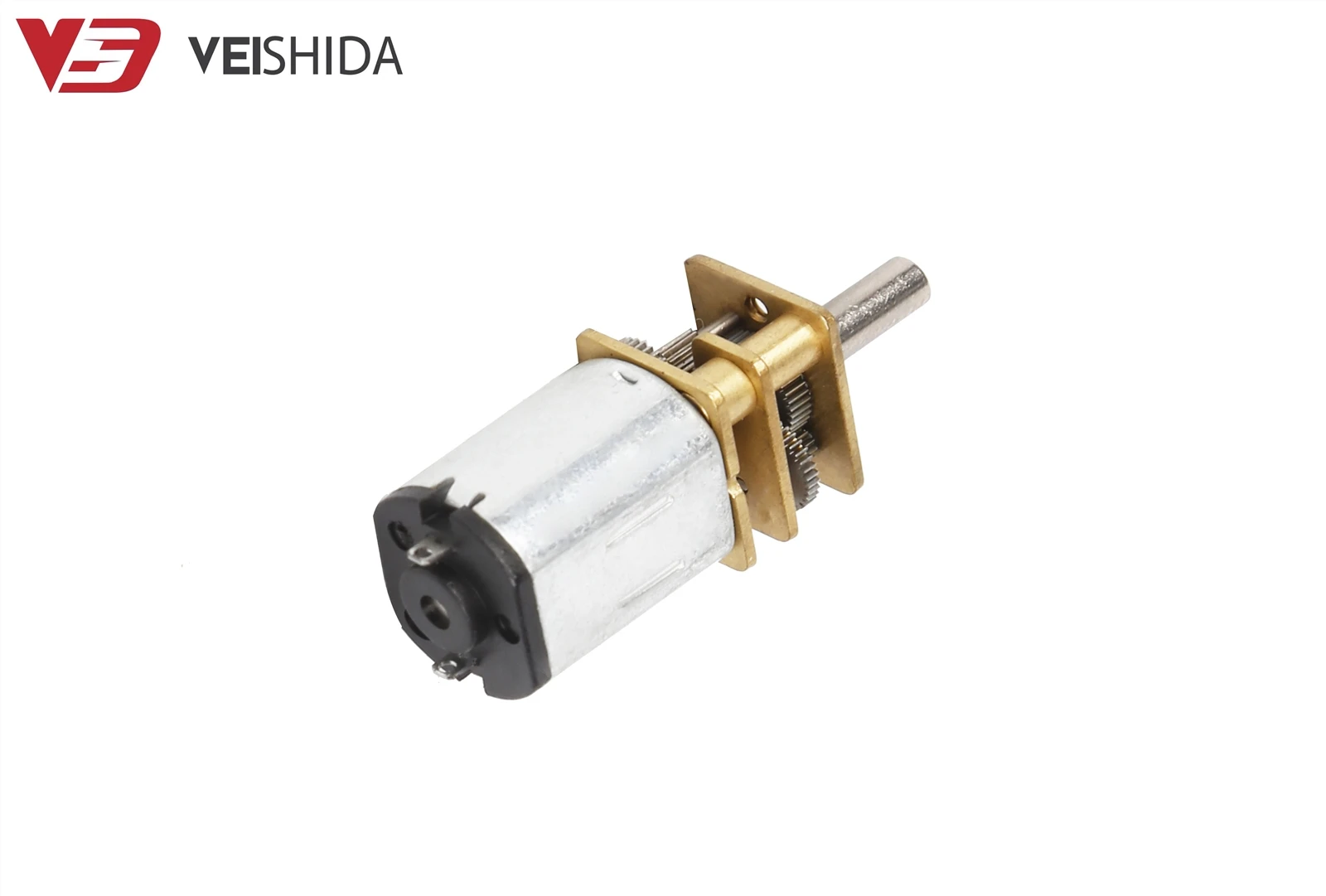
1. Inverter speed-adjusting motor. An inverter is a power control device that converts a power frequency power supply into another frequency by using the on-off function of power semiconductor devices. The inverter used most frequently uses the AC-DC-AC mode (also known as vector control frequency conversion), which involves first converting the power frequency AC power supply into a DC power supply through a rectifier and then into an AC power supply with a converter.
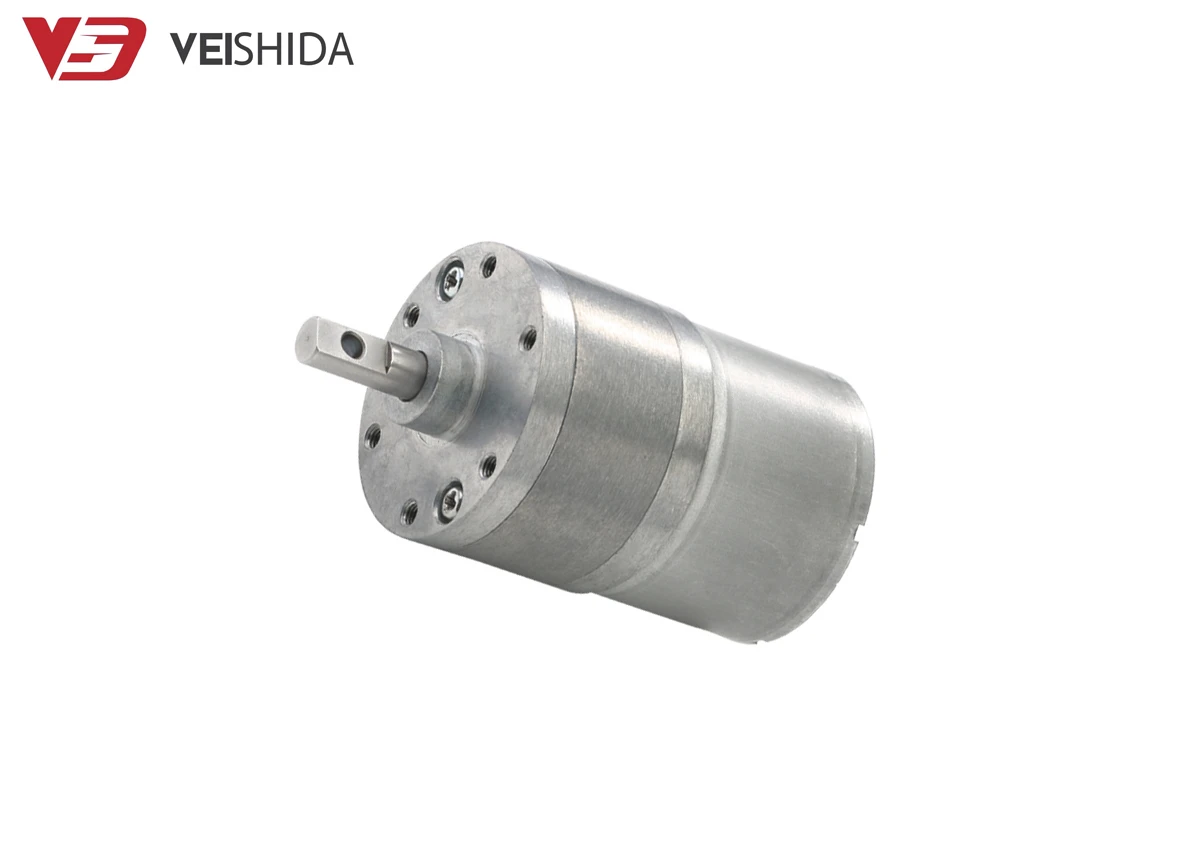
2. Stepper motor, called a "step angle," rotates step by step at a fixed angle in response to a pulse signal received by the stepper driver and directed in a certain direction. In order to achieve the goal of speed regulation, the pulse frequency can be adjusted while the motor is running. This allows for simultaneous control of the motor's speed and acceleration.

3. To generate speed, the gear reduction motor depends on the gearbox's multistage large and tiny gears meshing. The driving ratio is determined by the proportion of large to small gear teeth. Similar to the planetary reducer, the reduction ratio determines the output speed and torque.
The gear motor control techniques and tools mentioned above are now in use. The control method merely needs to be rotated based on our individual requirements. Please get in touch with us for further information on motors. I look forward to hearing from you.


